
By Sarah Bennett — Independent Veterans Benefits Writer | Reviewed & updated July 21, 2026
Independent and non-government. This site is not affiliated with, endorsed by, or sponsored by the U.S. Department of Veterans Affairs (VA) or any government agency. For official information, visit VA.gov.
The Small Benefit That Quietly Pays for Something Real
The VA clothing allowance is one of the most overlooked benefits in the entire veterans system, and it exists for a very practical reason: some service-connected conditions are genuinely hard on clothes. A leg brace that rubs through trouser fabric, a wheelchair that frays sleeves and shoulders, a prescribed skin cream that permanently stains shirts — the VA recognizes that these are real, recurring costs, and it generally offers an annual payment to help cover them.
For veterans living with mesothelioma or another asbestos-related illness, this benefit can be more relevant than it first appears. Oxygen equipment, drainage catheters, post-surgical supports, and prescribed topical medications can all take a steady toll on everyday clothing. Many veterans simply never hear that a yearly payment may be available for exactly this kind of wear and tear.
This guide walks through what the VA clothing allowance is, who may qualify, how much it generally pays, and how to apply — step by step, in plain English, with links to the official government pages so you can verify everything for yourself.
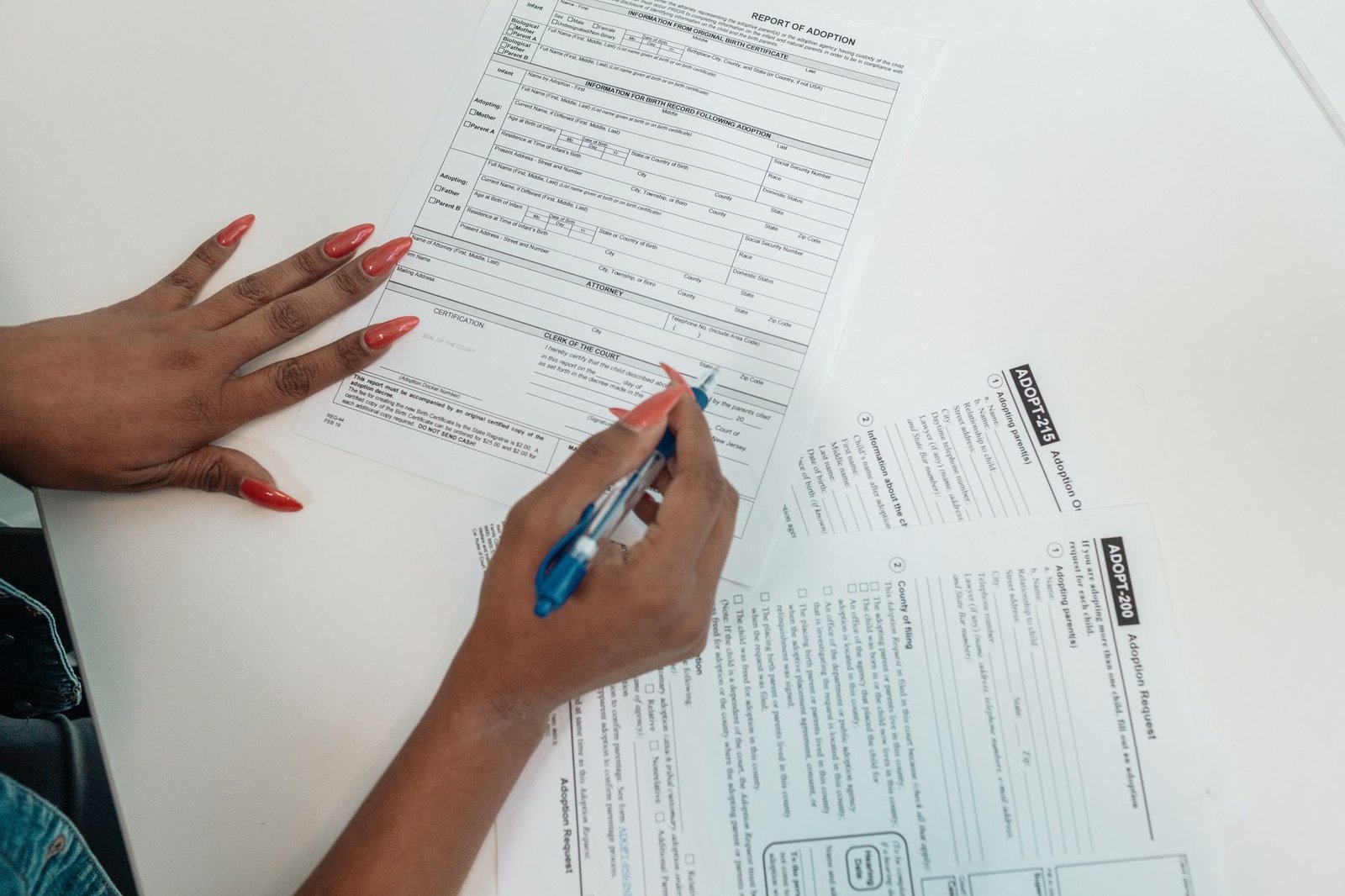
Part 1: What the VA Clothing Allowance Actually Is
The VA clothing allowance is an annual, tax-free payment made to eligible veterans whose service-connected disability — or the treatment for it — damages or wears out their clothing. It is not a monthly benefit and it is not part of your disability compensation rating. It is a separate, once-a-year lump sum, typically paid in the fall.
The benefit is written directly into federal regulation at 38 CFR § 3.810, which spells out the two basic situations it covers:
- A veteran uses a prosthetic or orthopedic appliance — including a wheelchair — because of a service-connected disability, and that device tends to wear out or tear clothing.
- A veteran uses a physician-prescribed medication for a service-connected skin condition, and that medication causes irreparable damage to outer garments.
Because the payment is tied to devices and medications rather than to a specific diagnosis, veterans with very different conditions — amputations, spinal injuries, severe skin disorders, or cancers that require supportive equipment — can all potentially qualify. The VA clothing allowance is documented in the official overview page at VA.gov, and it is worth reading alongside this guide.
Part 2: Who May Be Eligible
Eligibility for the VA clothing allowance comes down to three building blocks, and the VA generally looks for all of them together.
First, a service-connected condition. The disability that requires the device or the skin medication must already be service-connected — meaning the VA has formally linked it to your military service. If your asbestos-related illness is not yet service-connected, that claim comes first; our companion guide to compensation for pleural mesothelioma explains how that process generally works.
Second, a qualifying device or medication. The list is broader than many veterans expect. Wheelchairs, leg and back braces, prosthetic limbs, certain orthopedic shoes, and other appliances can qualify when they wear against fabric. So can prescribed creams, ointments, and topical treatments for a service-connected skin condition when they stain or break down clothing in a way that cannot be repaired.
Third, actual wear or damage to clothing. The device or medication must tend to damage your outer garments. A VA prosthetic representative usually reviews this — you do not have to prove ruined clothes item by item, but the connection between the equipment and the damage should be clear.
Depending on your situation, more than one allowance may be payable. A veteran who uses a wheelchair and a prescribed skin medication that each affect different types of clothing, for example, may qualify for more than one annual payment. The VA decides this case by case.
Part 3: How Much the Allowance Pays
The VA clothing allowance is adjusted periodically for cost of living, so this guide deliberately avoids quoting a dollar figure that could go stale. As of the 2026 rate tables, the current amount is published on the VA’s official special benefit allowance rates page — that page is always the authoritative source, and it lists the clothing allowance alongside other special allowances.
A few practical points about the payment itself:
- It is annual. One payment per qualifying allowance per year, generally issued in the autumn after the August 1 anniversary date.
- It is tax-free. Like VA disability compensation, the clothing allowance is not taxable income.
- It can multiply. If two or more qualifying devices or medications each affect distinct garment types, the VA may pay more than one allowance.
- It does not reduce anything else. Receiving it does not lower your monthly compensation, pension, or healthcare benefits.
Because the amount is modest compared with monthly compensation, some veterans decide it is not worth the paperwork. That is a personal call — but the application is a single short form, the benefit renews in future years in many cases, and over a decade the payments add up to real money for something you are already spending on.
Part 4: How to Apply, Step by Step
Applying for the VA clothing allowance is one of the simpler VA processes, but it has a firm calendar deadline that catches people out.
Step 1 — Confirm service connection. Check your VA decision letter or your profile on VA.gov to confirm the condition behind your device or medication is service-connected.
Step 2 — Complete VA Form 10-8678. The application is the Application for Annual Clothing Allowance (VA Form 10-8678). It asks for basic identifying information, the device or medication involved, and the service-connected condition it treats.
Step 3 — Submit it to your VA medical center. The form goes to the prosthetic and sensory aids service at the VA facility where you receive care — in person, by mail, or in many locations by fax. The prosthetic representative there is also the best person to answer eligibility questions before you file.
Step 4 — Watch the August 1 deadline. To be considered for a given benefit year, your application generally must be in by August 1 of that year. File after the deadline and your claim is typically considered for the following cycle instead.
Step 5 — Keep your paperwork. Save a copy of the form and note the date you filed. If a payment is delayed or denied, your filing date matters — the same principle that drives back pay and effective dates across other VA benefits.
A Veterans Service Officer from the VFW, DAV, or American Legion can complete and file the form with you at no charge if you would rather not handle it alone.
Part 5: Why This Matters for Mesothelioma and Asbestos-Related Illness
Mesothelioma and other asbestos-related diseases are not the first conditions people picture when they think about a VA clothing allowance — but the connection is more common than it looks.
Treatment and symptom management for these illnesses often involve equipment worn on or against the body: portable oxygen concentrators with shoulder straps and tubing, indwelling pleural catheters and their dressings, post-thoracotomy supports, and compression garments. Prescribed skin treatments — for radiation-affected skin, surgical sites, or medication side effects — can stain and degrade shirts and other garments over time. Where the underlying condition is service-connected and the device or medication meets the regulation’s test, an allowance may be payable.
The National Cancer Institute’s overview of malignant mesothelioma describes the treatments involved, and your VA care team can tell you exactly which appliances and prescriptions appear in your records. That record trail matters: the prosthetic representative reviewing your Form 10-8678 will look for the device or medication in your VA file. If parts of your treatment happened outside the VA, make sure those records are in the system — our guide to gathering records for a VA claim covers how to get documents where they need to be.
None of this is a promise of approval. It is simply a reminder that veterans managing a serious illness are often using exactly the kinds of equipment this benefit was designed around — and many never apply.
Part 6: Special Cases, Renewals, and How It Fits With Other Benefits
Renewal. For many veterans, the VA clothing allowance continues in later years without a fresh application once the VA has established that the qualifying device or medication is ongoing. Others — particularly where a medication could change — may be asked to reapply or recertify. If you are unsure whether yours renews automatically, ask the prosthetic office that processed your form.
Multiple allowances. As noted above, the VA may pay more than one annual allowance when separate devices or medications each affect different types of clothing. If you use several qualifying items, list them all on the application rather than assuming one payment is the ceiling.
Retroactive issues. The clothing allowance is tied to the August 1 anniversary date, so it does not generate long retroactive awards the way a disability claim can. Filing on time each cycle is the whole game.
How it fits with other benefits. The allowance stacks quietly on top of everything else. It does not affect your disability rating, your eligibility for VA healthcare, or cost protections such as copay exemptions for cancer patients. Veterans whose illness is covered under the PACT Act’s presumptive framework can read the official summary at VA.gov’s PACT Act page — establishing service connection there is often the doorway to smaller follow-on benefits like this one.
Frequently Asked Questions
Is the VA clothing allowance paid monthly?
No. It is a single annual payment per qualifying allowance, generally issued in the fall following the August 1 anniversary date each year.
Does a wheelchair count as a qualifying device?
Yes. The regulation specifically includes wheelchairs among the prosthetic and orthopedic appliances that can qualify when they wear or tear clothing, provided the wheelchair is required because of a service-connected disability.
Can I receive more than one clothing allowance?
Possibly. If separate qualifying devices or medications each affect different types of garments, the VA may award more than one annual allowance. The decision depends on your specific equipment and prescriptions.
Do I need receipts for damaged clothing?
Generally, no. The VA evaluates whether your device or medication tends to damage clothing — usually through the prosthetic representative’s review of your records — rather than requiring you to document individual ruined garments.
What if my condition is not service-connected yet?
The VA clothing allowance requires a service-connected disability, so the underlying claim comes first. Once service connection is established, you can apply in the next cycle before the August 1 deadline.
Is the payment taxable, and does it affect my other VA benefits?
The payment is tax-free, and receiving it does not reduce your monthly compensation, pension, healthcare eligibility, or any other VA benefit.
Where do I send VA Form 10-8678?
To the prosthetic and sensory aids service at the VA medical center where you receive care. Staff there can confirm the current submission options for your facility and answer eligibility questions before you file.
Resources
- VA.gov — Clothing allowance overview and eligibility
- VA Form 10-8678 — Application for Annual Clothing Allowance
- VA special benefit allowance rates (current amounts)
- 38 CFR § 3.810 — the governing regulation
- National Cancer Institute — Malignant mesothelioma
- Find a Veterans Service Officer (free help): contact your local chapter of the VFW, the DAV, or the American Legion. Accredited VSOs can prepare and file the application with you at no cost.
Final Thoughts: Small Benefits Are Still Your Benefits
It is easy to let a once-a-year payment slide to the bottom of the list, especially when you are managing a serious illness and larger claims at the same time. But the VA clothing allowance exists precisely because the costs it covers are real and recurring — and it asks very little of you: one short form, filed with your VA medical center before August 1.
If you use a brace, a wheelchair, oxygen equipment, or a prescribed skin medication connected to your service-connected condition, it costs nothing to ask the prosthetic office whether you qualify. Veterans earned these benefits — the modest ones included — and claiming them is not asking for a favor. It is using the system the way it was designed to be used.
Medical disclaimer: This article is for informational purposes only and is not medical advice, diagnosis, or treatment. Consult a licensed physician or your VA care team about your specific situation.
Legal disclaimer: This article is for general information only and is not legal advice and does not create an attorney-client relationship. Consult a VA-accredited attorney, claims agent, or a Veterans Service Officer (VSO) about your specific claim.